
How to Automate Your YouTube Video Tags for More Traffic
Are you tired of spending hours trying to come up with the perfect tags for your YouTube videos? Do you wish there was a way to automate this tedious task and still drive more traffic to your channel? Well, guess what – there is! In this blog post, we’ll show you how to automate your YouTube video tags and unlock the power of increased visibility. Say goodbye to manual tag research and hello to more views, subscribers, and success. So buckle up and get ready for an exciting journey into the world of automated YouTube tags that will take your channel to new heights!

What are YouTube tags and how do they work?
YouTube’s tags are a way for viewers to find specific videos by keyword or topic. When you create a new video, YouTube will automatically generate a list of suggested tags based on the content of your video. You can then choose to use any or all of these tags, which are essentially keywords or phrases that help categorize and describe your video content. They play a crucial role in helping YouTube’s algorithm understand what your video is about, making it easier for viewers to discover your content through search results and related videos.
When you upload a video to YouTube, you’re also given the option to add a “thumbnail” image and a set of tags to your video. These are also automatically generated and can be helpful in describing your video content. YouTubers often use these tags to promote their videos on social media and elsewhere, increasing viewership and engagement, you have the option to add tags that are relevant to your content. These tags provide additional context and metadata, allowing the platform’s algorithm to match your video with users who may be interested in similar topics.
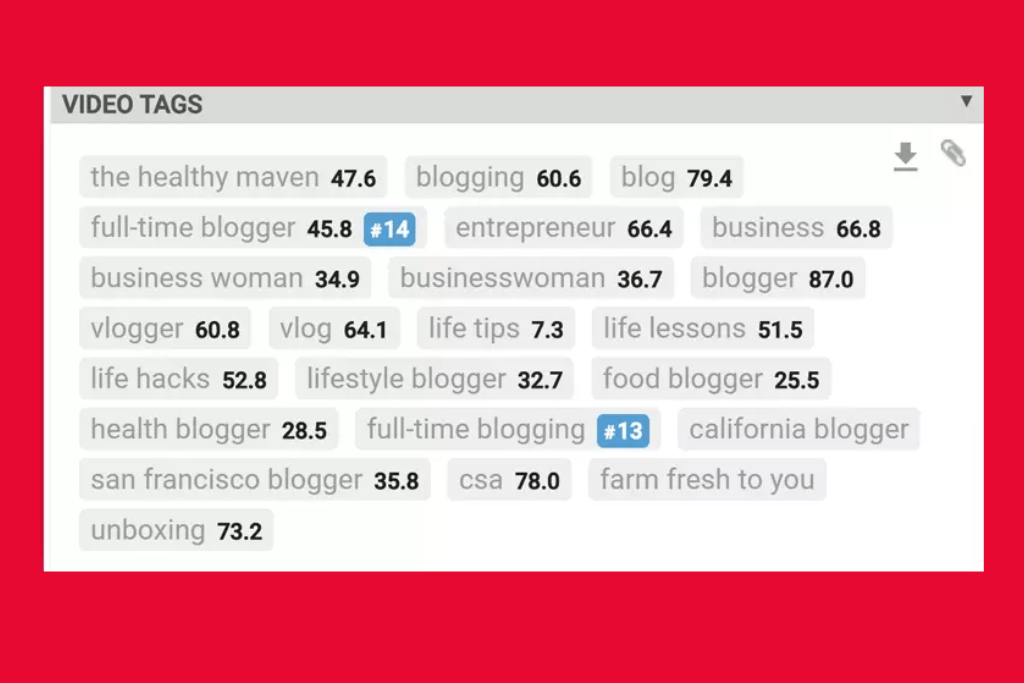
To make the most of YouTube tags, it’s important to choose ones that are highly relevant to your content, while also considering popular search terms. This helps increase the chances of attracting organic traffic from users searching for specific topics or keywords.
While you can manually input these tags for each individual video, automating this process can save you time and effort. By using tools specifically designed for automated tagging, you can streamline the process by generating optimized tags based on factors like keyword popularity and relevance.
Automated tag systems often analyze various data points such as title, description, category selection, and even audio transcriptions (if available) to suggest appropriate tags for your videos. This takes away the guesswork involved in selecting effective keywords and ensures consistency throughout all of your uploads.
By harnessing automation for YouTube video tagging, creators have more time to focus on producing high-quality content rather than getting bogged down by repetitive admin tasks. Additionally, utilizing automated tagging techniques can lead to increased visibility as it enhances the likelihood of appearing in relevant searches and recommended video sections.
In our next section, we’ll dive into how exactly you can find the right set of automated YouTube tags that will drive more traffic toward your channel!
How to find the right tags for your YouTube videos
When it comes to optimizing your YouTube videos for maximum visibility, one of the most important factors to consider is the use of tags. Tags are essentially keywords or phrases that describe what your video is about and help users find it when they search on YouTube. But how do you go about finding the right tags for your videos?
Think about the main topics or themes covered in your video. What words would someone use to search for content related to those topics? Put yourself in the shoes of your target audience and brainstorm a list of relevant keywords.
Next, take advantage of YouTube’s own search bar. Start typing a keyword related to your video topic and see what suggestions pop up. These suggestions are based on popular searches, so they can give you insights into what people are actually looking for.

Another great tool is Google Trends. This allows you to explore which keywords are trending in popularity over time. By using this data, you can identify hot topics that will attract more viewers to your videos.
Additionally, there are several online tools available specifically designed to help YouTubers find optimal tags for their videos. Some popular options include TubeBuddy and VidIQ. These tools provide valuable insights into keyword rankings, and competition levels, and even offer tag recommendations based on similar successful videos.
Remember that finding the right tags is an ongoing process. It’s important to monitor trends and adjust accordingly as new keywords emerge or popularity shifts within certain niches.
By taking the time to research and select appropriate tags for each of your YouTube videos, you’ll greatly increase their chances of appearing in relevant searches and attracting more traffic from interested viewers! Happy tagging!
How to automate your YouTube tags for more traffic
Are you a YouTube content creator looking to drive more traffic to your videos? One effective strategy is to optimize your video tags. Tags are keywords or phrases that help YouTube understand what your video is about, making it easier for users to find. However, manually adding tags can be time-consuming and tedious. That’s where automation comes in.
Automating your YouTube tags allows you to save time and effort while still ensuring that your videos are optimized for search. There are several tools available that can assist with this process. These tools analyze the content of your video and generate relevant tags based on keywords, topics, and trends.
To get started with automated tags, first research popular keywords related to your video topic using tools like Google Keyword Planner or Tube Buddy’s keyword explorer feature. Then input these keywords into the automation tool of choice, which will generate a list of suggested tags for you.
One benefit of automating your YouTube tags is increased visibility on the platform. By using relevant and trending keywords as tags, you increase the likelihood of appearing in search results when users enter those terms.

Another advantage is improved SEO (search engine optimization). When you use targeted and specific tags on your videos, it signals to search engines like Google that your content is valuable and relevant. This can lead to higher rankings in search results pages, driving even more traffic to your channel.
In addition to increased visibility and improved SEO, automating your YouTube tags saves you valuable time that can be better spent creating high-quality content. Rather than spending hours researching and manually adding individual tags for each video, an automation tool does the work for you instantly.
So, whether you’re a beginner or an experienced YouTube creator, taking advantage of automation tools can help you increase traffic and reach new audiences. Happy tagging! How do you get started with automated YouTube tagging? Start by choosing a reliable automation tool such as VidIQ or Tubics. These platforms offer features like tag suggestions based on keyword research as well as analytics tracking so you can monitor the performance of different tag combinations over time.
Once you’ve chosen a tool, integrate it with your YouTube channel and follow the instructions provided to set up automated tagging.
The benefits of automating your YouTube tags
The benefits of automating your YouTube tags are numerous and can significantly impact the success of your videos. By utilizing automated tag generation tools, you can save time and effort while ensuring that your videos reach a wider audience.
One major benefit is increased visibility. With automated tags, you can optimize your video’s discoverability by using relevant keywords and phrases that are commonly searched for on YouTube. This will help to improve your video’s ranking in search results, making it more likely to be seen by potential viewers.

Another advantage is better targeting. Automated tags take into account various factors such as video content, category, and audience preferences. By accurately tagging your videos with relevant keywords related to their content, you’ll attract viewers who are genuinely interested in what you have to offer.
Additionally, automating tags allows for consistency across all of your videos. Instead of manually brainstorming new tags every time you upload a video, automation ensures that each one follows a similar pattern or theme. This makes it easier for viewers to find related content on your channel and encourages them to explore more of what you have to offer.
Furthermore, automation helps with efficiency. Manually adding tags can be time-consuming and tedious work; however, with automated tag generation tools at hand, this task becomes much quicker and hassle-free.
Automating your YouTube video tags offers several advantages including increased visibility through optimized discoverability, better targeting based on viewer preferences and interests, consistent branding across all uploaded videos, and improved efficiency in the tag creation process.
How to get started with automated YouTube tags
Now that you understand the importance of automating your YouTube video tags and the benefits it can bring, let’s dive into how you can get started.
- Research and choose a reliable tagging tool: There are various tools available that can help automate your YouTube tags. Take some time to research and choose a tool that fits your needs. Look for features like tag suggestions based on popular keywords, autofill capabilities, and analytics tracking, so you can see how different tag combinations are performing over time. options, and integration with YouTube analytics.
- Install the tagging tool: Once you’ve chosen a tagging tool, follow the installation instructions provided by the provider. This may involve adding an extension to your browser or installing software on your computer.
- Connect your YouTube account: After installing the tagging tool, you’ll need to connect it to your YouTube account. This allows the tool to access information about your videos and suggest relevant tags.
- Set up automation preferences: Most tagging tools offer customization options, so you can tailor them to your specific requirements. Take some time to explore these settings and configure them according to your preferences.
- Start using automated tags in new videos: With everything set up, it’s time to start leveraging automated tags in new videos! As you upload a new video, the tagging tool will automatically suggest you can track the performance of different tag combinations over time. This will help you to fine-tune your tags and improve their effectiveness. Relevant keywords and phrases will also be added to your video’s metadata, so viewers can find and explore your content more easily. Tags are based on factors such as title, description, category, and content analysis algorithms.
- Monitor performance and make adjustments if needed: Keep an eye on how well-automated tags are performing for each video by monitoring their rankings in search results and traffic generated from those tags. If certain keywords or phrases aren’t delivering desired results over time, consider adjusting or adding manual tags alongside automation.
Remember that while automation is beneficial for saving time and effort in managing large amounts of video content on YouTube, it is still essential to periodically review and optimize your tag strategy based on changing trends or audience preferences.
By automating this aspect of optimizing metadata for better visibility and discoverability, you can focus more on creating engaging content that resonates with